
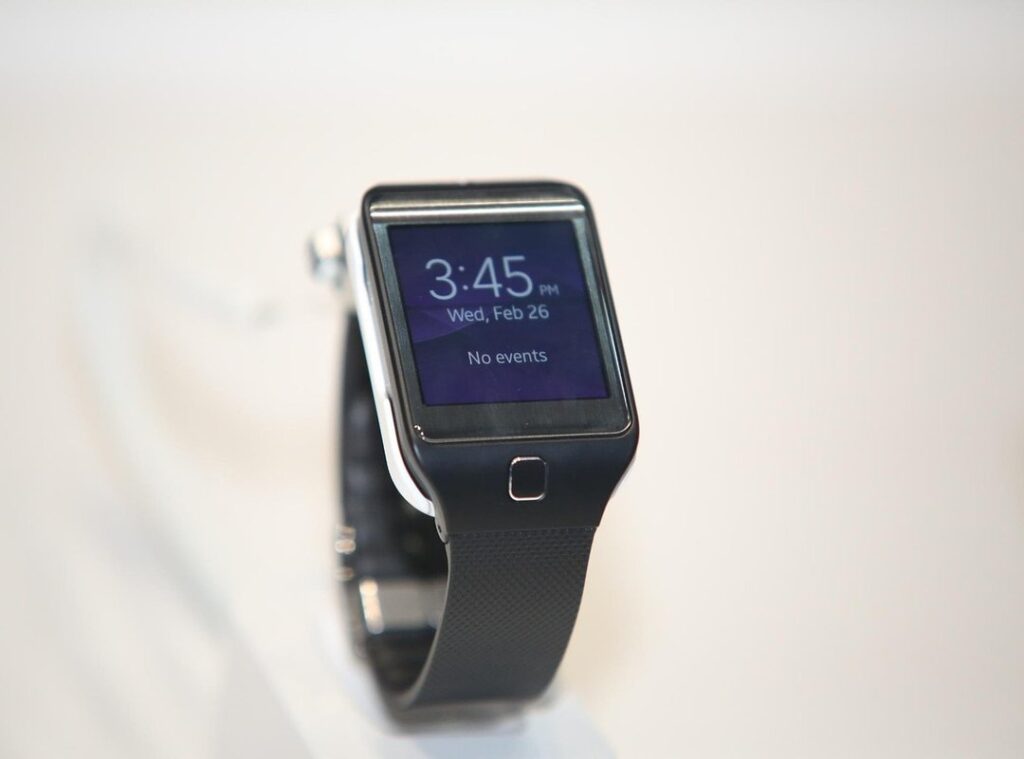
Navigating the world of health and wellness tracking devices can be thrilling, but it often feels overwhelming. With so many options out there, how do you know which fitness wearable tech is right for you?
I’ve been in your shoes, sifting through countless devices and trying to figure out what really works. It’s easy to feel lost in this tech jungle. But I’ve done the legwork, testing various gadgets and diving into real-world impacts.
I’ve uncovered the insider secrets to effective tracking along the way. This guide will cut through the noise. You’ll gain the knowledge needed to confidently choose and use the best health and wellness tracking devices.
I’m here to help you make informed decisions and improve your personal health adventure. By the end, you’ll have the tools to open up your full potential. Let’s get started on this journey together.
Tracking Devices: Beyond Steps and Calories
Ever wonder what makes health and wellness tracking devices more than just fancy step counters? Fitness wearable tech is not just about counting steps or calories; it’s about diving into your personal data and uncovering the hidden truths of your body. These gadgets are like personal data explorers, turning invisible patterns into visible takeaways.
You’ve got wearables like smartwatches, fitness trackers, and smart rings. Then there are smart scales, blood pressure monitors, sleep monitors, and even smart water bottles. Each has its own role, but they all share a core purpose: collecting biometric and activity data to offer takeaways into your physical state and habits.
Why does this matter? These devices help you by making invisible data visible. They build self-awareness and informed decision-making.
You can actually see your body’s mysteries unfold with each step, heartbeat, and night’s sleep. It’s like having your own detective agency, right on your wrist.
Pro tip: Use this data to tweak your routines for better health outcomes. These tools don’t just track progress. They help you understand how small changes can make a big difference.
Honestly, who doesn’t want to be the Sherlock Holmes of their own health?
Decoding Your Body’s Blueprint: Key Metrics That Matter
Ever looked at your fitness wearable tech and felt like you need a science degree to make sense of it all? Trust me, you’re not alone. These devices track everything from steps to SpO2 (blood oxygen saturation).
But let’s break it down. Steps and activity levels give us a snapshot of our daily movement. If you’re not walking enough, you’re missing out on obvious health benefits.
Then there’s heart rate: resting, active, and heart rate variability (HRV). HRV is your secret weapon for recovery. It gives insight into how well your body bounces back after stress or exercise.
Sleep stages and quality? They tell you if your body’s getting that important reset. Ever wake up groggy?
You might be tossing and turning during REM. Calorie expenditure is another key metric. It’s like your body’s bank statement.
More calories burned means you’re using up that stored energy (a.k.a. fat). Smart scales track body composition, giving you the lowdown on muscle versus fat.
It’s all about trends, not single numbers. Next time your device buzzes with new info, think of it as a clue guiding your health adventure. Speaking of adventures, if you’re into the newest fitness trends, check out VR Shaping Gym Workouts.
Choosing Your Adventure Companion: Smart Investment Tips
When it comes to fitness wearable tech, picking the right device is like finding a trusty sidekick. You want something that matches your journey, whether it’s weight loss, marathon training, or stress reduction. Does it accurately track your steps or monitor your heart rate?
You don’t need a device promising the world if it can’t deliver.
Comfort is key. No one enjoys wearing a clunky gadget all day. And let’s not even start on battery life.
If it dies after a few hours, what’s the point? Plus, think about how it fits with your existing tech. Your new wearable should integrate seamlessly with your smartphone or health apps.
Budget plays a role too. Not all of us can drop a fortune on the latest gadget. Look for value.
Sometimes, a mid-range model offers the best blend of features and reliability. And don’t overlook deals that offer solid customer support.
Consider this: having guidance from ai personal trainers workout plans can be a game-changer. They help tailor your workouts, pushing you further. It’s about finding what enhances your experience, not just a flashy toy.
Remember, a smart investment is one that supports your unique fitness goals.
Beyond Basics: Track Your Fitness Like a Pro
When you’re diving into fitness wearable tech, you don’t just want the basics. You want the real deal. You want GPS for those wild outdoor adventures, right?

Guided workouts are the rage now, and if you’re not tracking stress with biofeedback, you’re missing out. Skin temperature sensing? That’s a game-changer for understanding your body’s ups and downs.
Smart integrations are where it gets juicy. NFC payments mean you can leave the wallet at home (who wants to carry that around while sweating it out?). Music control and smart home connectivity make life smoother.
It’s all about enhancing the everyday experience.
Now, let’s talk AI. Some platforms offer AI-driven takeaways that transform raw data into strategies you can actually use. Personalized coaching?
It’s like having a fitness expert in your pocket, minus the hefty fees. And hey, if you’re serious about leveling up, these features are a must.
Ready to dive deeper? Check out the best fitness tracker 2026: reviewed, tested, and compared. It’s time to make a smart investment in your health.
After all, who doesn’t want to be ahead of the curve?
Maximize Your Health Journey: Tracking Tips That Work
Let’s talk about fitness wearable tech. It’s a game-changer, right? But like any tool, it’s only as good as how you use it.
First, wear it consistently. If you toss it aside after a week, what’s the point? Regular wear gives you meaningful data.
And data? It’s just numbers unless you act on it.
Set realistic goals. No one’s running a marathon next week if today’s the first jog. Use the data to inform your choices, not dictate them.
Feel tired? Skip the guilt. Your feelings matter.
They’re the context behind the numbers.
Now here’s a pro tip: Mix device data with how you feel. It’s not just about numbers. It’s about being in tune with your well-being.
Secure your data too. You don’t want personal info floating around the web. Check privacy settings, and stay informed.
And experiment. Change your approach as you go. Different metrics can reveal new takeaways.
What’s working? What’s not? Adapt and move forward.
This journey is personal. It’s yours. Embrace change and enjoy the ride.
Don’t just track your progress (live) it.
Your Next Step in Health Tracking
You’re now equipped to tackle the confusion around health and wellness tracking devices. The takeaways from this journey cut through the noise and help you make smart choices.
Fitness wearable tech can transform your health experience, giving you the data needed to thrive. So why hesitate?
Explore devices that fit your goals. Embrace personalized data and start tracking your adventure today.
You deserve to open up new levels of well-being. Take charge of your health now and discover what works for you. Don’t wait.
Dive in and raise your fitness journey.
 Vasil Speroakis is the driving force behind SHMGFIT.com, bringing a forward-thinking approach to modern fitness and wellness. With a deep passion for helping individuals unlock their physical potential, he founded the platform to bridge the gap between traditional training methods and innovative health strategies. His vision focuses on creating a space where both beginners and experienced athletes can access reliable, practical, and results-driven insights.