
Many people struggle with stiffness or a limited range of motion. I know this from experience.
Improving your flexibility isn’t just about touching your toes. It’s about better performance, reduced injury risk, and enhanced mobility.
You want to move freely, without that nagging feeling of tight muscles holding you back.
I get it. Flexibility can feel hard to find.
That’s why I’ve explored various techniques for flexibility that really work. I’ve consulted fitness experts and tried countless methods to see what actually delivers results.
In this article, I’ll share practical ways to boost your flexibility so you can feel better and move with ease.
No fluff here, just straightforward tips you can start using right away.
Let’s dive into the secrets of flexibility and open up your potential. You deserve to feel great in your body. So, are you ready?
Flexibility Unwrapped: What You Need to Know
Flexibility isn’t just for yogis. It’s a key player in overall physical health. You might think it’s all about touching your toes, but there’s more to it.
Flexibility comes in flavors: static (holding a stretch), changing (active movements), and PNF (a fancy term for stretching with help).
Why does it matter? Flexibility helps prevent injuries and boosts performance. Ever wondered how elite athletes recover faster?
It’s not all ice baths and massages. They understand flexibility, using techniques for flexibility to stay ahead. Check out how elite athletes recover faster and steal some of their tricks.
There’s a common myth that you’re either flexible or you’re not. That’s nonsense. You can improve with practice.
Sure, genetics play a role, but don’t let that excuse hold you back. Flexibility is like any other skill. You work on it, and it gets better.
Here’s a pro tip: mix up your stretching routine. Static stretches are great post-workout, while changing stretches are perfect for warm-ups. And if you haven’t tried PNF, you’re missing out.
It’s a game-changer. Just remember, consistency is key. Your body will thank you.
Changing Stretching: The Secret Pre-Workout Weapon
Ever wonder why some folks bounce around before diving into a workout? That’s changing stretching. Unlike static stretching, where you hold a position, changing stretching involves movement.
Think of it as a warm-up on steroids (not literally).
Changing stretching is more than just flailing your arms around. It’s about controlled movements that mimic the activity you’re about to do. For instance, if you’re gearing up for a run, high knees and leg swings are your best friends.
Playing soccer? Try lunges and hip circles. These are tailored techniques for flexibility that help prep your muscles.
But why bother with all this? Changing stretching gets your blood pumping, increases your range of motion, and reduces the risk of injuries. It’s like giving your body a heads-up that something intense is coming.
Static stretches, in contrast, are better for cooling down as they help relax muscles post-exercise.
Here’s a pro tip: make changing stretching a non-negotiable part of your routine. It doesn’t just warm you up; it primes your body for peak performance. And don’t take my word for it.
There’s an entire science behind 9 major types of flexibility exercises that backs this up.
So next time you’re about to hit the gym or the field, don’t just jump right in. Give changing stretching a shot. Your body will thank you, and you might just find yourself performing better than ever.
Stretch It Out: Flexibility Unleashed
Static stretching after a workout is like the cherry on top of your fitness routine. Does it really make a difference? Absolutely.
It’s key for cooling down and improving your flexibility. I mean, who doesn’t want to move like a ninja?
Now, let’s talk techniques for flexibility. You focus on holding a stretch for about 30 seconds. No bouncing around.
Start with the hamstrings. Just sit down, keep one leg straight, and lean forward. Feel that stretch?
Good. Then, hit the quads. Stand on one leg, grab your ankle, and pull it towards your butt.
It’s simple, yet effective.
For your upper body, go for the chest stretch. Stand in a doorway and press your arm against it, turning your body slightly away. Don’t forget the back.
Sit down, cross one leg over the other, and twist your torso. Feel that release?
Incorporating these stretches into your routine isn’t rocket science. Do them right after your workout while your muscles are still warm. Consistency is key.
I promise, your body will thank you. Plus, you’ll reduce the risk of injuries. So why not make static stretching a habit?
It’s a game-changer.
Flexibility Unleashed: Yoga Meets Pilates
Ever wonder why yoga and Pilates are so popular for flexibility? I’ve got some takeaways. Both practices offer amazing techniques for flexibility, each in its unique way.
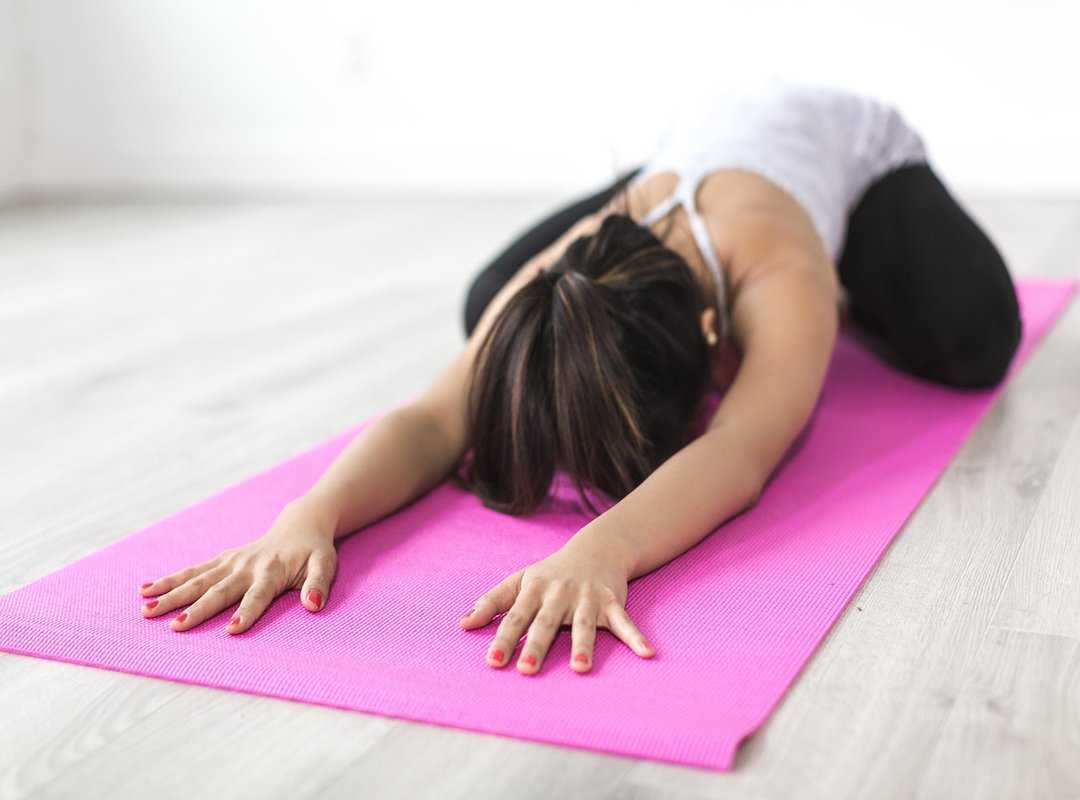
But combining them? the magic happens.
Picture this: you’re on the mat, stretching into a downward dog. It’s not just a pose; it’s a gateway to flexibility. Yoga stretches your muscles, making them supple and ready for anything.
Then there’s Pilates, with its controlled movements. Think about the roll-up exercise (a) core powerhouse that also gently stretches your spine. Ever tried it?
But how do these practices complement other workouts? Imagine lifting weights with more range of motion or running with a balanced gait. It all starts here.
I’ve noticed that adding yoga and Pilates into my routine has made such a difference. Why? Because flexibility isn’t just about touching your toes; it’s about enhancing every move you make.
Give these practices a shot. Start small. You don’t need to master a headstand or a perfect teaser right away.
Just find your rhythm and feel the change. Curious yet? Dive into this blend and watch your flexibility soar.
Flexibility Secrets: PNF and Foam Rolling
Ever tried stretching and felt like you’re fighting against your own body? Enter PNF stretching, which stands for Proprioceptive Neuromuscular Facilitation. (Yeah, it’s a mouthful, but hear me out.) This technique involves both stretching and contracting your muscles and it can seriously boost your flexibility. You can do it solo or with a partner.
It’s actually pretty simple. You stretch a muscle, then contract it for a few seconds before stretching it further. Sounds intense?
Maybe. But the results speak for themselves.
Now, you might be thinking: “Why do this with a partner?” Well, having someone helps you push your limits without overdoing it (you don’t want to pull something). But if you’re flying solo, no worries. Just be careful and listen to your body.
Stretch gently and be patient. It’s all about progress, not perfection.
But let’s not forget foam rolling. It’s like a deep tissue massage, but cheaper and always available. Foam rolling breaks down scar tissue and knots in your muscles, which enhances your flexibility and speeds up recovery.
You just roll over your muscles and let gravity do its thing. Simple, right?
If you’re serious about improving flexibility, these top trainers workout hacks are a game-changer. The combination is like magic for your muscles. So give it a try.
Just remember: go slow, avoid pain, and keep it consistent. You’ll be surprised at how much you can improve with the right techniques for flexibility.
Open up Your Flexibility Potential
You can achieve greater flexibility with consistent practice.
I know it sounds simple, but it’s true.
Think about it: improved flexibility boosts athletic performance and lowers the risk of injuries. Who wouldn’t want that?
Starting small makes a difference. Incorporate simple routines into your day. You don’t need to overhaul your life overnight.
Just a few minutes each day can lead to significant improvements.
Wondering where to start?
Try stretching exercises after your workouts or even during breaks at work. You’ll feel the benefits before you know it.
You don’t have to go it alone.
Explore resources that offer techniques for flexibility and tap into community support. Sharing your journey with others keeps you motivated. It’s easier when you have a tribe cheering you on.
Don’t wait any longer.
Take that first step today.
Set a goal and commit to it. Your body will thank you later.
Still unsure? Reach out for guidance or find a community that resonates with your fitness goals.
Let’s make flexibility a priority.
Your future self will appreciate it.
Get started, and watch how far you can go!
 Wynovox Vine is a dedicated fitness content creator known for breaking down complex training concepts into simple, actionable strategies. With a strong focus on performance and efficiency, Wynovox specializes in delivering insights that help readers maximize their workouts while avoiding common mistakes. His approach blends practical experience with modern fitness trends, making his content both relevant and easy to apply.