
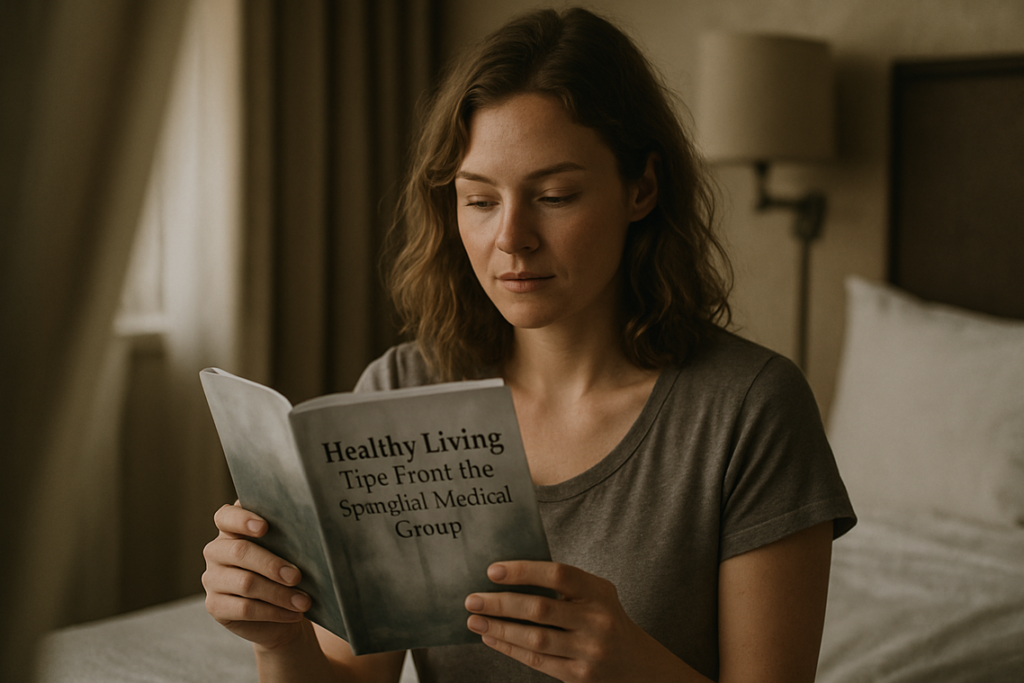
I’ve seen too many people spin their wheels on health advice that contradicts itself every six months.
You’re probably here because you want real answers. Not the latest trend or some miracle fix that disappears next year.
Here’s the truth: building lasting health isn’t complicated. But it does require cutting through all the noise.
I put together this SHMGFIT Health Guide by SpringHillMedGroup to give you a clear framework. No gimmicks. Just the core principles that actually work.
This guide breaks down wellness into simple pillars you can act on today. Physical health. Mental wellness. Prevention. All in one place.
We built this on principles backed by decades of medical practice and clinical experience. Not trends. Not theories. What actually keeps people healthy over the long term.
You’ll get a complete roadmap that covers everything you need to know. No overwhelm. No conflicting advice.
Just a practical approach to building health that lasts.
The Four Pillars of Foundational Health
You don’t need a perfect diet or a gym membership to feel better.
What you need is a system that actually works with your life.
I see people all the time who try to overhaul everything at once. They go hard for two weeks and then burn out. Back to square one.
Here’s what I’ve learned. Health isn’t about intensity. It’s about building four simple habits that support each other.
Pillar 1: Nourishment
Forget restriction. That’s not what this is about.
When you eat whole foods, lean proteins, and healthy fats, your body gets what it needs to function. You’ll notice better energy throughout the day (not just that 2pm crash). Your mood stabilizes. You stop thinking about food every hour.
And water? Most people walk around half-dehydrated and wonder why they feel foggy.
Pillar 2: Consistent Movement
A 20-minute walk beats a brutal workout you’ll never repeat.
Daily movement keeps your joints healthy and your metabolism steady. You sleep better. Your stress drops. The shmgfit health guide by springhillmedgroup shows that consistency matters more than anything else.
Pillar 3: Restorative Sleep
Seven to nine hours isn’t optional. Your brain needs that time to process everything and your immune system needs it to repair.
Better sleep means sharper thinking and faster recovery. Turn your room cool and dark. Put your phone in another room. Same bedtime every night.
Pillar 4: Active Stress Management
Stress will find you. The question is whether you manage it or let it pile up.
Deep breathing takes 60 seconds. Journaling takes five minutes. These aren’t nice to have habits. They’re what keep daily pressure from becoming chronic problems that wreck your health.
Proactive Care: Your Guide to Preventive Health
You probably know you should get checkups.
But when was the last time you actually went?
Most of us wait until something feels wrong. We put off appointments and tell ourselves we’ll go next month. Then next month becomes next year.
Here’s what I’ve learned. Waiting for symptoms is the expensive way to handle your health (and I’m not just talking about money).
Know Your Numbers
Your body sends signals all the time. Blood pressure, cholesterol, blood sugar. These aren’t just random tests your doctor orders.
They’re early warning signs.
High blood pressure doesn’t hurt. High cholesterol doesn’t make you tired. That’s the problem. By the time you feel something, you’re already behind.
I check mine twice a year. Takes 15 minutes and tells me if I need to adjust anything before it becomes a real issue.
The Power of Screenings
Some people say screenings are overkill. That we’re over-testing and creating unnecessary anxiety.
But here’s what they miss. Finding something early versus finding it late? That’s the difference between a simple fix and a major problem.
The shmgfit health guide by springhillmedgroup breaks down which screenings you need based on your age and risk factors:
• Mammograms for breast cancer detection
• Colonoscopies for colon health
• Skin checks for suspicious moles
Not everyone needs every test. That’s why timing matters.
Building a Partnership with Your Doctor
Your primary care doctor isn’t just there for sick visits.
Think of them as your health strategist. Someone who knows your history and can spot patterns you might miss.
When you see the same doctor regularly, they notice changes. They can coordinate your care if you need specialists. They become your advocate.
Vaccinations and Immunizations
Vaccines aren’t just for kids.
Adults need boosters and updates too. Flu shots, shingles vaccines, tetanus boosters. These prevent diseases that can knock you out for weeks or cause long-term complications.
I get it. Nobody loves needles. But a sore arm beats pneumonia any day.
Prevention isn’t glamorous. But it works.
Integrating Mental and Emotional Wellness

Your mind and body aren’t separate systems.
They’re connected in ways that most people don’t realize until something breaks down.
I see it all the time. Someone comes in complaining about constant headaches or digestive issues. We run tests and everything looks fine physically. Then we start talking about their stress levels and suddenly the picture gets clearer.
Here’s what’s actually happening. When you’re stressed, your body releases cortisol. That hormone affects your heart rate, blood pressure, and immune system. Depression doesn’t just make you feel sad. It drains your energy and makes basic tasks feel impossible.
Some people say mental health is just about thinking positive thoughts. They’ll tell you to just push through and stay busy. And sure, staying active helps.
But that’s not the whole story.
Ignoring your mental state while trying to get physically fit? That’s like trying to drive with the parking brake on. You might move forward but you’re fighting yourself the whole way.
How do you know if you’re burning out?
Your body gives you signals. Most people miss them because they’re too busy pushing harder.
- Feeling tired even after sleeping
- Getting irritated over small things
- Zero motivation to do stuff you used to enjoy
- Brain fog that won’t clear
Sound familiar?
I’ve learned that building mental health works the same way as building physical health. You need a toolkit. Not just one thing but a few solid practices you can actually stick with.
Stay connected to people who matter. Call a friend instead of just texting. Pick up that hobby you dropped six months ago (yes, even if you’re rusty). And here’s the big one: know when to talk to someone professional about what you’re going through.
Now let’s talk about your phone.
That thing is probably destroying your mental energy and you don’t even notice it. Constant notifications. Endless scrolling. Your brain never gets a break.
The shmgfit health guide by springhillmedgroup covers this pretty well. Setting boundaries with technology isn’t about going off the grid. It’s about giving your mind space to actually rest.
Try this. No screens for the first hour after you wake up vs. checking your phone before your feet hit the floor. The difference in how you feel throughout the day is REAL.
Your mental wellness isn’t separate from your fitness goals. It’s part of them.
Creating Your Personal Health Action Plan
You don’t need a perfect plan.
You need a plan that works for you.
I see people all the time who create these massive health overhauls. They want to change everything at once. And by week two, they’re back where they started.
Here’s what actually works.
Start with SMART goals. That means Specific, Measurable, Achievable, Relevant, and Time-bound. Instead of “I want to get healthier,” try “I’ll walk 20 minutes, 3 times this week.”
See the difference? One is vague. The other tells you exactly what to do.
Now, some people say you should go all in from day one. They think small changes are a waste of time. That you need to completely transform your lifestyle or don’t bother at all.
But that’s not how real change happens.
Pick one or two small things. Maybe it’s drinking more water. Maybe it’s adding vegetables to dinner. Build momentum first (you can always add more later).
Once you’ve got your goals, track them. Use a journal or an app. Whatever keeps you honest. The shmgfit health guide by springhillmedgroup suggests simple tracking methods that help you see progress without turning it into a second job.
And here’s the most important part.
Listen to your body. Your plan should flex with your life. Bad week at work? Adjust. Feeling great? Push a little harder. This isn’t about following rules. It’s about building something that lasts.
The goal is progress, not perfection. Start where you are and build from there.
Take the First Step Toward a Healthier You
You came here looking for clarity.
Health advice is everywhere. Most of it contradicts itself. You’re tired of fads that promise everything and deliver nothing.
This SHMGFIT Health Guide by SpringHillMedGroup gives you what actually works. No gimmicks or quick fixes.
You now have a medically sound framework that covers the basics: nutrition that fuels your body, movement that strengthens it, and mental wellness that sustains it all.
The confusion stops here.
Focus on the core pillars we covered. Get your preventive care done. Take care of your mental health the same way you’d take care of a broken bone.
That’s how you build something that lasts.
Here’s what I want you to do: Pick one action from this guide. Just one. Commit to it for the next week.
Maybe it’s drinking more water. Maybe it’s scheduling that checkup you’ve been putting off. Maybe it’s taking a 10-minute walk after dinner.
Start small and start now.
Your health isn’t something you fix overnight. It’s something you build one decision at a time.
 Vasil Speroakis is the driving force behind SHMGFIT.com, bringing a forward-thinking approach to modern fitness and wellness. With a deep passion for helping individuals unlock their physical potential, he founded the platform to bridge the gap between traditional training methods and innovative health strategies. His vision focuses on creating a space where both beginners and experienced athletes can access reliable, practical, and results-driven insights.