I’ve seen too many people burn out on diets that promised everything and delivered nothing.
You’re probably wondering how clean your eating actually needs to be. Should you track every macro? Cut out entire food groups? Eat like a bodybuilder even though you just want to feel better?
Here’s the truth: most nutrition advice is either too extreme or too vague to actually use.
How healthy should I eat SHMGFIT? That’s the question we’re answering here.
I’m going to show you a framework that works for real life. Not for fitness models with personal chefs. For people who have jobs and families and don’t want to spend three hours meal prepping every Sunday.
We focus on principles that actually stick. The kind of eating habits you can maintain for years, not just until your willpower runs out.
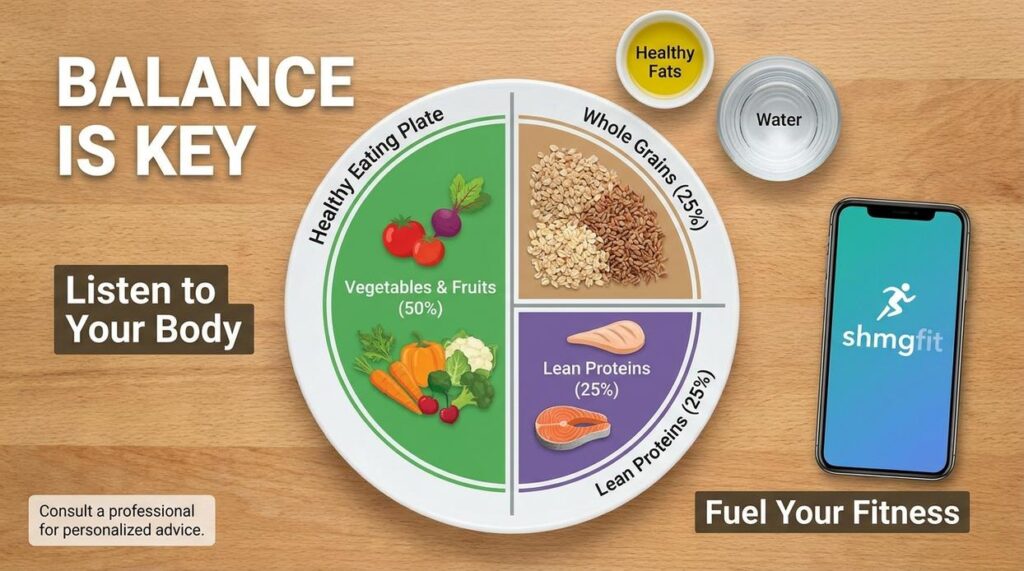
You’ll learn what components matter most in a healthy eating plan. How to build a strategy that fits your specific goals. And how to fuel your body without turning food into a second job.
No rigid meal plans. No foods you can never eat again.
Just a clear path to eating in a way that supports your fitness and makes you feel good.
The Foundation: Moving Beyond ‘Good’ vs. ‘Bad’ Foods
You’ve been lied to about food.
Not by anyone with bad intentions. But the whole “good food versus bad food” thing? It’s keeping you stuck.
I see this all the time. Someone asks me how healthy should i eat shmgfit and they’re expecting me to hand them a list of forbidden foods.
That’s not how this works.
Here’s what I want you to focus on instead.
Core Principle #1: Prioritize Nutrient Density
Think about what you’re getting per bite. A handful of spinach gives you vitamins, minerals, and compounds your body actually uses. A handful of chips? Mostly just calories.
I’m not saying never eat chips (we’ll get to that). I’m saying build your meals around foods that DO something for you.
Core Principle #2: Embrace the 80/20 Rule
This is where most diet advice falls apart.
Sure, you could eat perfectly clean 100% of the time. But you won’t. Nobody does for long.
So here’s my recommendation: eat whole, minimally processed foods 80% of the time. The other 20%? Live your life.
Want pizza on Friday? Have it. Just make sure Monday through Thursday looked pretty solid.
This isn’t about being perfect. It’s about being consistent enough that it actually sticks.
Core Principle #3: Listen to Your Body
Your coworker swears by keto. Your sister does great on plant-based. And you? You might need something completely different.
Pay attention to how foods make you FEEL. Not how they’re supposed to make you feel according to some blog post.
Do you crash after pasta? Does dairy mess with your digestion? Does skipping breakfast leave you dragging by 10am?
That’s data. Use it.
There’s no perfect diet that works for everyone. But there is a perfect diet for you. You just have to figure out what that looks like.
Mastering Macronutrients: The Building Blocks of Fitness
Look, I’m not going to tell you that counting macros is the secret to abs.
But if you want to understand why you feel like garbage after lunch or why your workouts suddenly feel harder, you need to know what you’re actually eating.
Most people think nutrition is complicated. They see meal prep influencers weighing chicken breast to the gram and decide it’s not for them.
Here’s the truth though. You don’t need a food scale or a PhD in biochemistry. You just need to understand three things: protein, carbs, and fats.
That’s it.
Protein keeps you full and builds muscle. If you’re sitting at a desk all day, aim for about 0.8 grams per pound of body weight. Working out regularly? Bump that to 1 gram per pound. Training like you’re preparing for something serious? Go for 1.2 grams.
Chicken, fish, eggs, Greek yogurt. You know the drill. (And yes, protein powder counts if you’re in a pinch.)
Now carbs get a bad rap because someone’s cousin lost 10 pounds cutting them out. But here’s what actually matters: complex carbs like oats, sweet potatoes, and brown rice give you steady energy. Simple carbs like fruit or white rice? Those are for quick fuel before or after training.
When you’re figuring out how healthy should i eat shmgfit, timing matters more than you think. Eat most of your carbs around your workouts and you’ll actually use them instead of storing them.
Fats are where people get weird. They either avoid them completely or dump olive oil on everything because some podcast told them to.
Your body needs fat for hormones. Your brain runs on it. You can’t absorb certain vitamins without it.
Avocados, nuts, seeds, olive oil, fatty fish. These aren’t just trendy foods. They’re doing real work in your body.
The ratio? Start with something simple. If you’re active, try 40% carbs, 30% protein, 30% fats. Adjust based on how you feel and what your goals are.
Micronutrients & Hydration: The Unsung Heroes of Well-Being
Everyone obsesses over protein and carbs.
I see it all the time. People track their macros down to the gram but completely ignore the vitamins and minerals that actually make everything work.
Here’s what most fitness advice won’t tell you.
You can hit your macro targets perfectly and still feel like garbage. Because without the right micronutrients, your body can’t do much with all that protein and those carefully measured carbs.
Think of it this way. Macros are the building materials. Micronutrients are the construction crew that actually builds something with them.
Some people argue that if you’re eating enough food, you’ll get enough vitamins and minerals automatically. They say worrying about micros is overthinking it.
And sure, if you’re eating a perfect diet with tons of variety every single day, maybe that’s true.
But most of us aren’t doing that. We eat the same rotation of meals because it’s easier to track and prep. That’s when deficiencies creep in and suddenly your recovery slows down or your energy tanks.
The fix is simpler than you think.
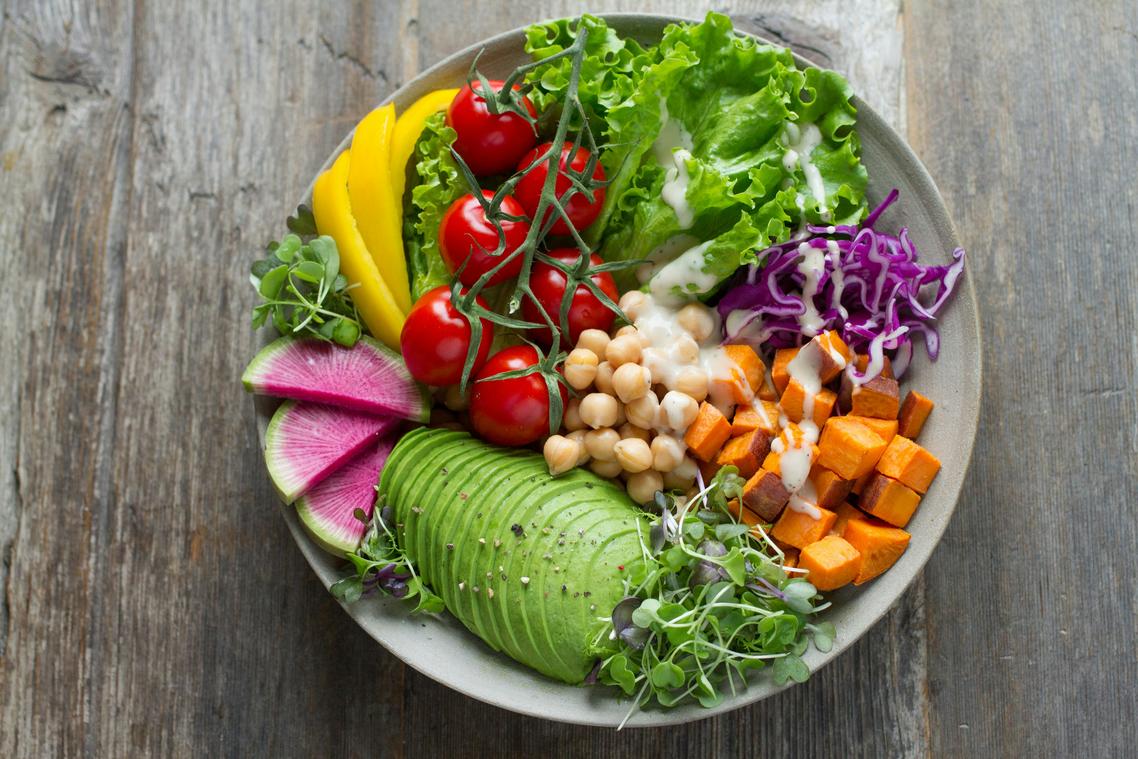
Eat the rainbow. Not just because it sounds nice, but because different colored plants contain different vitamins and minerals. Red peppers give you different nutrients than spinach. Blueberries offer something oranges don’t.
When you’re planning meals, aim for at least three different colors on your plate. It’s not a perfect system but it works better than eating chicken and rice in beige variations seven days a week.
Now let’s talk about water.
Most people know they should drink more. But here’s what matters. Even mild dehydration tanks your performance before you feel thirsty. Your strength drops. Your focus gets fuzzy. Your body holds onto water weight (which is ironic).
I tell people to start with half their body weight in ounces as a baseline. If you weigh 180 pounds, that’s 90 ounces of water daily. More if you’re training hard or it’s hot out.
Watch for the signs. Dark urine means you’re behind. Headaches in the afternoon often mean the same thing. If you’re wondering how healthy should i eat shmgfit, getting your hydration right is a non-negotiable foundation.
Your body is roughly 60% water. Every chemical reaction needs it. Every nutrient gets transported by it.
Skip the fancy electrolyte drinks unless you’re doing serious endurance work. For most training sessions, plain water does the job just fine.
Timing and Consistency: Making Your Plan Work in the Real World
Does meal timing really matter?
You’ve probably heard you need to eat every 2-3 hours to keep your metabolism fired up. Or that eating after 7pm will make you gain fat.
Here’s what I found after working with hundreds of people in Dothan and beyond.
Most of that is nonsense.
Your body doesn’t have a clock that suddenly switches to fat storage mode at sunset. And your metabolism isn’t going to crash if you go four hours without a protein shake.
What actually matters? Total daily intake and what healthy food should i eat shmgfit style choices throughout the day.
Some people say meal timing is critical for results. They’ll tell you that missing your post-workout window means wasted effort. That you need to eat within 30 minutes or your muscles won’t recover.
But here’s what they’re missing.
Unless you’re a competitive athlete training twice a day, that window is more like a garage door than a tiny slot. You’ve got hours, not minutes.
Pre-workout nutrition is simple. Eat something with carbs 1-3 hours before you train. That’s it. A banana works. So does oatmeal or a sandwich.
Post-workout is even easier. Get some protein and carbs within a few hours. Your body will use them just fine.
The real secret? Consistency beats perfection every single time.
I’d rather see you eat three solid meals a day that you can maintain for years than follow some complicated six-meal plan that you quit after two weeks.
Build habits you can actually stick with. That’s how you win.
Your Path to Sustainable Health and Fitness
You came here confused about what to eat for optimal wellness.
I get it. The noise around nutrition is overwhelming.
But now you have something different. A principle-based approach that cuts through the fad diets and quick fixes.
You don’t need another restrictive meal plan that falls apart in two weeks. You need a framework that actually works long term.
That’s what nutrient density, balanced macronutrients, and consistency give you. These aren’t trendy concepts. They’re the foundation of real results.
how healthy should i eat shmgfit comes down to this: eat in a way you can maintain while fueling your fitness goals and overall well-being.
Start today with one small change.
Add a serving of vegetables to your next meal. That’s it.
Small actions build momentum. Momentum creates habits. Habits transform your health.
You now have the knowledge to move beyond the confusion and build something that lasts.
The question isn’t whether this approach works. It’s whether you’ll take that first step.
 Vasil Speroakis is the driving force behind SHMGFIT.com, bringing a forward-thinking approach to modern fitness and wellness. With a deep passion for helping individuals unlock their physical potential, he founded the platform to bridge the gap between traditional training methods and innovative health strategies. His vision focuses on creating a space where both beginners and experienced athletes can access reliable, practical, and results-driven insights.