I’ve seen too many people burn out chasing health goals that were never built to last.
You’re probably here because you’ve tried different diets and workout plans but nothing seems to stick. The results fade and you’re back where you started.
Here’s what I know: most health advice is either too complicated or too extreme. It works for a few weeks, then falls apart.
I built this guide around four simple pillars that actually work together. Nutrition, movement, recovery, and mindset. Not as separate things you juggle, but as one system.
This is healthiness shmgfit. A framework that doesn’t rely on cutting out entire food groups or spending two hours in the gym every day.
We focus on what research actually supports. Not what’s trending on social media or what some guru is selling this month. Just the fundamentals that create real change.
You’ll get a clear path forward. No conflicting advice. No overwhelm.
This guide shows you how to build habits that fit your life instead of taking it over.
The Four Pillars of Holistic Health: An Integrated Approach
You’ve probably tried fixing your health before.
Maybe you cleaned up your diet for a few weeks. Or committed to hitting the gym five days straight.
But something always falls apart.
Here’s why. Health doesn’t work in isolation. You can’t just fix one thing and expect everything else to follow.
I’ve seen it happen too many times. Someone nails their nutrition but burns out because they never recover. Or they crush their workouts but can’t stick with it because their head’s not in the game.
Real health stands on four pillars. Fuel, Movement, Recovery, and Mindset.
Miss one and the whole thing wobbles.
Think about it this way. You could eat perfectly clean and train hard every day. But if you’re only sleeping four hours a night? Your body can’t rebuild. All that work goes nowhere.
Or maybe you’ve got the discipline down. You know what to do. But you’re running on willpower alone, and that tank eventually runs dry.
This is what shmgfit is built around. Not quick fixes. Not isolated hacks.
An approach where everything works together.
I’m going to walk you through each pillar. You’ll see exactly what they are and how they connect. More importantly, you’ll get steps you can use right now.
Because once you understand healthiness shmgfit as a system, you stop spinning your wheels and start making real progress.
Pillar 1: Fueling Your Body with Smart Nutrition
You don’t need another diet.
Trust me. I’ve seen people cycle through keto, paleo, carnivore, and whatever else is trending on social media. They lose weight. They gain it back. They feel like failures.
But here’s what I think most nutrition advice gets wrong.
It’s all about restriction. Cut this out. Avoid that. Never eat after 7pm. The list goes on.
That’s not how real life works.
I believe in a different approach. One that actually sticks because it doesn’t make you miserable.
Principle Over Prescription
Instead of following some rigid meal plan, focus on adding good stuff to your plate. More vegetables. More protein. More whole foods that actually fuel you.
When you start adding nutrient-dense foods, the junk naturally takes up less space. No willpower required.
The 80/20 Rule
Here’s my take on sustainability. Eat whole, unprocessed foods about 80% of the time. The other 20%? Live your life.
That means:
- Fruits and vegetables that aren’t covered in sauce
- Lean proteins that keep you full
- Whole grains that give you real energy
- Room for pizza on Friday night without guilt
This isn’t about perfection. It’s about building habits you can maintain for years, not weeks.
Balance Your Macros
You need all three. Period.
Protein builds and repairs your body (especially if you’re training). Carbs give you energy to actually function. Fats support your hormones and keep your brain working.
I aim for a source of each at every meal. Not because some guru told me to, but because I feel better when I do.
Water Matters More Than You Think
Most people walk around slightly dehydrated and wonder why they’re tired.
Proper hydration boosts your energy and helps you think clearly. It also makes digestion easier, which matters more than most realize.
A simple goal? Drink half your body weight in ounces per day. If you weigh 160 pounds, that’s 80 ounces.
The Plate Method
Want to make this dead simple? Use the plate method from healthiness shmgfit.
Picture your plate divided into three sections. Half goes to non-starchy vegetables. One quarter gets lean protein. The last quarter is for complex carbs.
No measuring. No tracking every calorie. Just a visual guide that works.
This isn’t rocket science. But it works because you can actually stick with it.
Pillar 2: Building a Lifestyle of Consistent Movement
You don’t need another gym membership collecting dust.
What you need is a different way to think about moving your body.
Most people here in Dothan tell me they hate exercise. They picture treadmills and burpees and that’s where the conversation ends.
But here’s what I’ve learned working with real people who actually stick with fitness.
Movement doesn’t have to mean suffering through workouts you despise.
Redefining What Counts as Exercise
Forget the hour-long gym sessions for a second.
I’m talking about weaving movement into your actual life. The stuff you’re already doing anyway.
Some fitness experts say structured workouts are the only way to see results. They’ll tell you that walking to your mailbox or taking the stairs doesn’t count.
They’re missing the bigger picture.
Sure, those activities alone won’t turn you into an athlete. But dismissing them? That’s how people end up doing nothing at all.
The truth is somewhere in between. You need both the intentional stuff and the everyday movement.
Find something you actually like doing. Maybe that’s hiking the trails at Landmark Park. Maybe it’s dancing in your living room or shooting hoops at the Wiregrass Commons.
The best exercise is the one you’ll do tomorrow and next week and next month.
The NEAT Advantage
Here’s a term worth knowing: Non-Exercise Activity Thermogenesis (or NEAT for short).
It’s just a fancy way of saying all the calories you burn when you’re not formally exercising. Walking around your office. Gardening. Even fidgeting while you watch TV.
People obsess over burning 300 calories at the gym but ignore the 800 they could burn just by moving more throughout the day.
I started parking farther away at the Dothan Pavilion. Taking calls while walking. Standing more at my desk.
Small stuff that adds up faster than you’d think.
What a Real Fitness Routine Looks Like
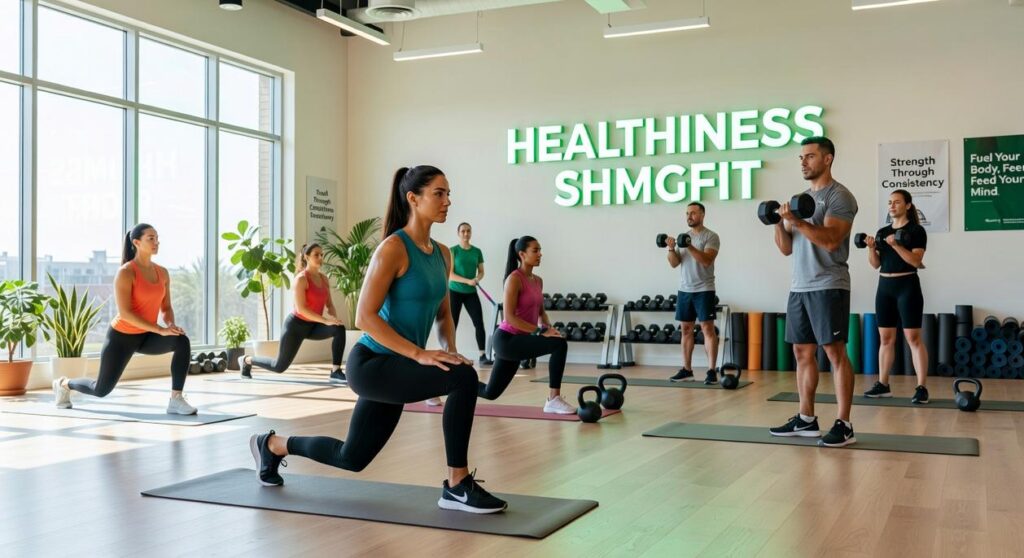
You need three things working together.
Strength training builds muscle and keeps your metabolism from tanking as you age. (Your body burns more calories maintaining muscle than fat.)
Cardio keeps your heart healthy. Doesn’t have to be running. Could be swimming at the Dothan Area YMCA or biking around town.
Mobility work prevents injuries and keeps you moving well. Stretching counts. So does yoga.
You don’t need to do all three every day. But they should all show up in your week somewhere.
The shmgfit health guide by springhillmedgroup breaks down how to balance these without losing your mind.
Pro Tip: Start with just five minutes of whatever you planned to do. Tell yourself you can stop after that if you want.
Most times? You’ll keep going once you’ve started. The hardest part is always beginning.
That’s the healthiness shmgfit approach. Make it so easy to start that you run out of excuses.
Pillar 3: The Overlooked Key to Progress – Recovery & Sleep
Most people think they need to train harder.
They don’t. They need to rest smarter.
Here’s what nobody tells you about getting fit. Your workout breaks your muscles down. The actual growth happens when you’re doing nothing.
That’s right. Nothing.
Your body rebuilds itself while you sleep. While you’re on the couch. While you’re taking a walk around the block.
I see people grinding six days a week and wondering why they’re not making progress. The answer is simple. They’re not giving their body time to adapt.
Let me break this down.
Sleep is Where You Actually Get Stronger
You need 7 to 9 hours of quality sleep. Not scrolling through your phone in bed. Real sleep.
When you sleep, your body repairs muscle tissue. It balances your hormones. It clears out the mental fog from your day.
Skip sleep and you’re basically throwing away half your workout. (I learned this the hard way after a month of 5-hour nights and zero gains.)
Some people say sleep doesn’t matter as much as diet or training. They’ll tell you that you can get by on 6 hours if you’re eating clean.
But the research doesn’t support that. Studies show that people who sleep less than 7 hours recover slower and build less muscle than those who get proper rest.
Two Types of Recovery You Need
Active recovery means light movement. A walk. Some stretching. Maybe a yoga session at healthiness shmgfit.
This keeps blood flowing to your muscles without stressing them. It helps clear out soreness faster than just sitting still.
Passive recovery is complete rest. No gym. No running. Just letting your body do its thing.
You need both.
Here’s What Works for Better Sleep
Start winding down an hour before bed. Dim your lights. Put your phone in another room.
Read something. Do some gentle stretches. Take a hot shower.
Your body needs signals that it’s time to shut down. Scrolling Instagram until midnight isn’t it.
Pillar 4: Mastering the Mental Game of Health
Your body won’t go where your mind won’t take it.
I see it all the time. People crush their workouts for two weeks straight. Then they miss ONE session and suddenly they’re convinced they’ve failed.
That’s the all-or-nothing trap talking.
Here’s what actually works.
Progress over perfection. You had pizza last night? Cool. Your next meal is a fresh start. That’s it. No guilt spiral needed (and trust me, the guilt burns zero calories).
Some folks say you need iron discipline. That missing a workout means you lack commitment. But that’s not how real life works.
Real life has sick kids and late meetings and days when your alarm just doesn’t go off.
What matters is getting back on track. Not staying perfect.
Think about who you ARE, not what you have to do. There’s a difference between “I need to work out” and “I’m someone who moves my body.” Feel that shift?
When you build your identity around healthiness shmgfit becomes part of you. Not something you force yourself through.
I remember the first time I caught myself WANTING to hit the gym. The weight of the barbell in my hands felt right. The burn in my muscles felt earned. That’s when I knew the identity had stuck.
Celebrate the small stuff. You chose water over soda? That counts. You took the stairs? That counts too.
These tiny wins create momentum. They stack up. Before you know it, you’re looking back at a month of choices that moved you forward.
Want a simple way to start? Try habit stacking.
Pick something you already do every day. After you pour your morning coffee, do ten bodyweight squats. After you brush your teeth at night, hold a plank for thirty seconds.
The existing habit becomes your trigger. The new habit becomes automatic.
Check out this fitness guide shmgfit for more ways to build habits that stick.
Your mind is either your biggest asset or your biggest obstacle.
Choose wisely.
I see people make health way too complicated.
They jump from diet to diet. They burn out on extreme workout plans. They wonder why nothing sticks.
You came here looking for a better way. Something that actually works long term.
This guide gives you a four-pillar framework: Fuel, Movement, Recovery, and Mindset. These aren’t separate pieces. They work together to build real, lasting health.
I’ve seen what happens when people try to overhaul everything at once. It doesn’t work.
The reason this approach is different is simple. You’re building sustainable habits instead of chasing quick fixes. You can keep this up for years, not just weeks.
Welcome to SHMGFIT
You have the framework now. You understand how the pieces fit together.
Don’t try to tackle all four pillars today. Pick one small action from one area and commit to it for the next week.
Maybe it’s drinking more water. Maybe it’s a 10-minute walk. Maybe it’s going to bed 30 minutes earlier.
Start small. Stay consistent. That’s how lasting change happens.
Your healthier life doesn’t begin with a perfect plan. It begins with one simple step you take today.
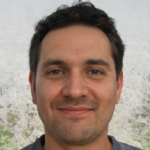 Vasil Speroakis is the driving force behind SHMGFIT.com, bringing a forward-thinking approach to modern fitness and wellness. With a deep passion for helping individuals unlock their physical potential, he founded the platform to bridge the gap between traditional training methods and innovative health strategies. His vision focuses on creating a space where both beginners and experienced athletes can access reliable, practical, and results-driven insights.