I know you’re tired of getting different answers every time you ask what you should actually eat.
One expert says carbs are bad. Another says fat is the enemy. Someone else swears you need to eat like a caveman.
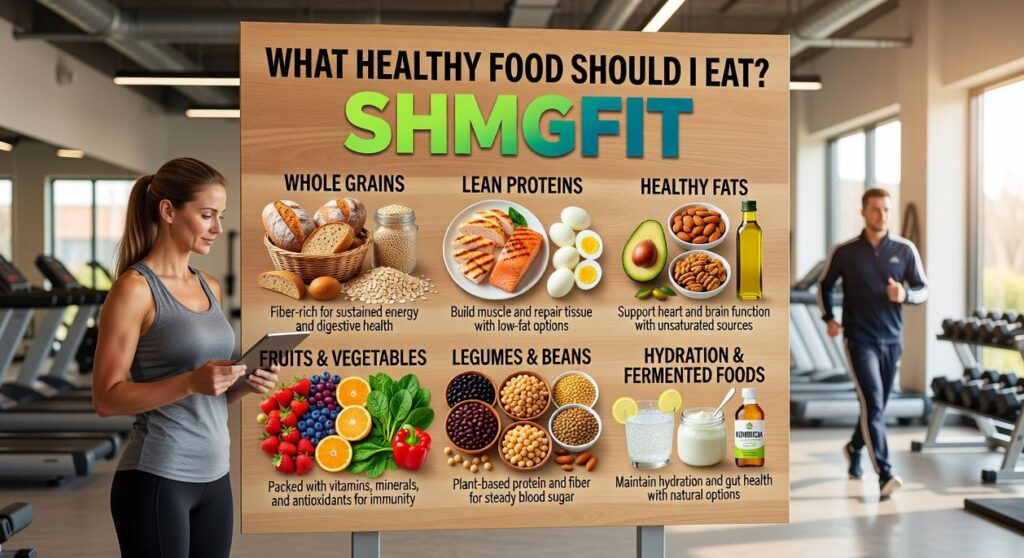
what healthy food should i eat shmgfit
That’s the question I’m answering here. No contradictions. No complicated meal plans you’ll never follow.
I’m cutting through the noise and giving you the basics that actually work. The foods that nutritional science consistently points to as winners.
This isn’t about the latest diet trend. It’s about whole foods that have been keeping people healthy for generations. The kind of stuff your body recognizes as actual food.
You’ll learn which categories to focus on and why they matter. I’m keeping it simple because eating well doesn’t need to be complicated.
By the end of this guide, you’ll know exactly what to put on your plate. No more second-guessing yourself in the grocery store.
Just clear choices that support your health without making you feel like you need a nutrition degree to figure it out.
Lean Proteins: The Building Blocks of Your Body
Your body runs on protein.
Without it, you can’t build muscle. Your immune system weakens. And you’ll find yourself reaching for snacks every hour because nothing keeps you satisfied.
I see people skip protein all the time. They load up on carbs at breakfast and wonder why they’re starving by 10 AM.
Here’s what happens when you get enough lean protein. Your muscles repair faster after workouts. You stay full longer between meals. Your blood sugar stays steady instead of spiking and crashing.
That means fewer cravings and more energy to actually get through your day.
What Counts as Lean Protein
Not all protein sources are created equal. Some come packed with saturated fat you don’t need.
Stick with the clean stuff. Skinless chicken breast, fish like salmon and tuna (bonus omega-3s there), lean turkey, and eggs. These give you what you need without the extra baggage.
If you’re wondering what healthy food should i eat shmgfit, plant-based proteins deserve a spot on your plate too. Lentils, chickpeas, black beans, tofu, and quinoa all deliver solid protein without any animal products.
| Protein Source | Protein per 100g | Key Benefit |
|——————-|———————|—————-|
| Chicken breast | 31g | Low fat, high protein |
| Salmon | 25g | Omega-3 fatty acids |
| Lentils | 9g | Fiber and plant-based |
| Eggs | 13g | Complete amino acids |
Make It Work for You
Here’s the simple rule I follow. Every meal needs protein.
Breakfast, lunch, dinner. Even snacks if you can swing it.
This keeps your blood sugar from going haywire. You’ll notice the difference in how you feel by mid-afternoon when everyone else is crashing and you’re still going strong.
Complex Carbohydrates: Your Body’s Preferred Energy Source
I used to think carbs were the enemy.
Back when I first got serious about fitness, I’d avoid bread like it was poison. I’d skip rice at dinner and feel proud of myself. Then I’d crash hard around 2 PM every single day.
Turns out I was doing it all wrong.
The problem wasn’t carbs. It was the type of carbs I was eating when I did give in. White bread for a quick sandwich. Sugary cereal when I was rushing. That stuff sent my energy through the roof and then straight into the ground.
Complex carbohydrates work differently. They break down slow in your system and give you steady energy that actually lasts. Plus they’re packed with fiber, which keeps your digestion running smooth (trust me, that matters more than you think).
When people ask me what healthy food should I eat shmgfit, I always start here. Whole grains like oats, brown rice, quinoa and barley. These are your foundation foods.
I also load up on starchy vegetables. Sweet potatoes and butternut squash taste great and fuel your workouts without the crash. Legumes are another go-to that most people overlook.
What you want to cut back on? Refined carbs. White bread, sugary cereals, pastries. They taste good for about five minutes but they don’t do anything for you nutritionally.
The difference in how you feel is real. Once I made the switch, those afternoon crashes disappeared completely.
Healthy Fats: Essential for Brain and Heart Health
Your brain is about 60% fat.
So when people tell you to cut out all fats, they’re missing something big.
I spent years thinking fat was the enemy. Back in the early 2000s when low-fat everything dominated grocery stores, I bought into it completely. My energy tanked and my thinking got foggy.
Turns out I was doing it wrong.
Some people argue that any fat will do the job as long as you’re eating enough calories. They say your body doesn’t care where it comes from. And sure, your body can use different fat sources for energy.
But here’s what that view overlooks.
Not all fats work the same way in your body. Some reduce inflammation and protect your heart. Others do the opposite.
The fats that actually help you come from foods like avocados, olive oil, and nuts. Almonds and walnuts are solid choices. So are seeds like chia, flax, and sunflower.
Then there’s the omega-3 question. How healthy should I eat shmgfit depends partly on whether you’re getting enough of these.
Fatty fish like salmon and mackerel pack serious omega-3s. After adding these to my diet twice a week for about three months, I noticed my focus improved. My joints felt better too.
Here’s the catch though.
Fats are calorie-dense. A small handful of nuts or a quarter of an avocado gives you what you need. More than that and you’re just adding extra calories without extra benefits.
Your brain needs fat to function. Your heart needs the right kinds to stay healthy. And certain vitamins won’t absorb without it (A, D, E, and K all need fat).
Just make sure you’re choosing the right sources.
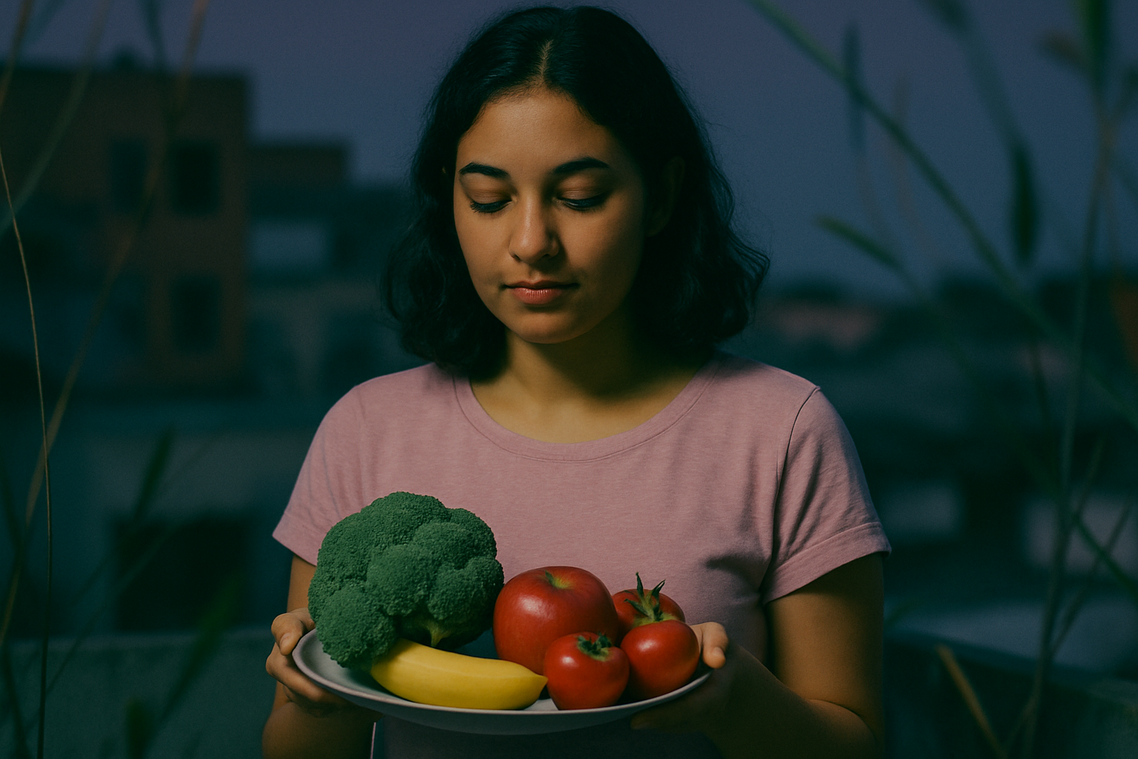
Fruits and Vegetables: The Foundation of Micronutrients
You know what I realized after three months of tracking my own meals?
I was eating the same five vegetables over and over.
Broccoli. Carrots. Lettuce. Maybe some tomatoes if I felt adventurous. And I wondered why I still felt tired all the time.
Here’s what changed everything for me.
Fruits and vegetables aren’t just healthy fillers. They’re where you get most of your vitamins, minerals, and antioxidants. The stuff your body actually needs to function right.
And they’re low in calories but high in volume. Which means you can eat a lot and actually feel full (something that matters when you’re trying to stay lean).
But some people say you don’t need to overthink this. Just eat your veggies and move on. They argue that obsessing over which specific vegetables you eat is unnecessary.
I used to think that way too.
Then I learned about what healthy food should i eat shmgfit and started paying attention to color. Sounds weird, but different colors mean different nutrients. Red peppers give you different benefits than spinach. Blueberries work differently than oranges.
Leafy greens like spinach, kale, and Swiss chard? They’re packed with iron, calcium, and vitamins A, C, and K. I started adding them to everything back in 2020 and noticed the difference within weeks.
Cruciferous vegetables are another game changer. Broccoli, cauliflower, Brussels sprouts. They contain compounds that help your body detoxify and keep your cells healthy.
And berries. Blueberries, strawberries, raspberries. They’re loaded with antioxidants that protect your cells from damage.
Here’s what I do now.
I fill half my plate with vegetables at lunch and dinner. Not as a rule I stress about, but as a target I aim for. And I keep fruit around for snacks or to throw on top of yogurt and oatmeal.
Pro tip: Buy frozen berries. They’re cheaper, last longer, and have the same nutrients as fresh ones.
Start with variety. That’s the real key to getting fitness hacks shmgfit dialed in.
Putting It All Together: Building a Balanced Plate
You’ve probably seen those perfect meal prep photos on Instagram.
Everything portioned out. Color coordinated. Looking like it took three hours to prepare.
That’s not what I’m talking about here.
I’m going to show you a dead simple way to build meals that actually work. No measuring cups. No food scale. Just your plate and some common sense.
Here’s the formula:
• Half your plate: Non-starchy vegetables (think broccoli, spinach, bell peppers, cauliflower)
• One quarter: Lean protein (chicken, fish, tofu, lean beef)
• One quarter: Complex carbs (brown rice, sweet potato, quinoa)
• Small addition: Healthy fats (olive oil drizzle, avocado slices, nuts)
That’s it.
Some nutrition experts will tell you to count every macro. Track everything down to the gram. And sure, that works for bodybuilders or people with specific goals.
But most of us? We just need a plate that keeps us full and doesn’t derail our progress.
The beauty of what healthy food should i eat shmgfit is that it gives you a visual guide. You don’t need an app. You don’t need to stress about hitting exact numbers.
Just look at your plate before you eat.
If half of it isn’t vegetables, add more. If your protein portion is bigger than your fist, scale it back.
Simple beats perfect every time.
Your Path to a Healthier Lifestyle Starts Now
You wanted to know what to eat.
I get it. The grocery store feels overwhelming when every aisle screams a different message about what’s good for you.
healthy food should i eat shmgfit breaks it down into categories that actually make sense. Lean proteins. Complex carbs. Healthy fats. Plenty of produce.
No confusion. No contradicting advice.
You now have a clear list of nutritious foods to work with. The guesswork is gone.
This approach works because it’s built on whole foods your body recognizes. Not trendy superfoods that cost a fortune or restrictive plans you can’t stick to for more than a week.
It’s sustainable. That’s what matters.
Here’s what you should do next: Pick one new food from this guide and try it this week. Just one. Maybe swap your usual snack for some almonds or add spinach to your eggs.
Small changes stick. Big overhauls usually don’t.
You came here confused about what to eat. Now you have a framework that works.
Start small and build from there.
 Vasil Speroakis is the driving force behind SHMGFIT.com, bringing a forward-thinking approach to modern fitness and wellness. With a deep passion for helping individuals unlock their physical potential, he founded the platform to bridge the gap between traditional training methods and innovative health strategies. His vision focuses on creating a space where both beginners and experienced athletes can access reliable, practical, and results-driven insights.