
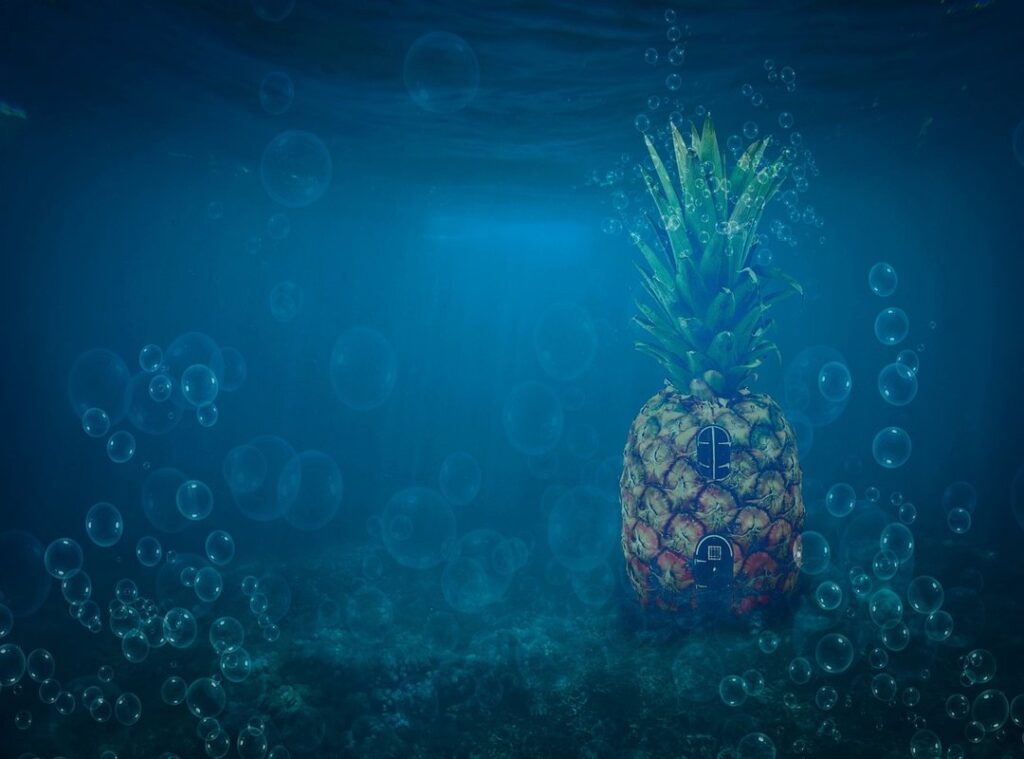
I was scrolling through my feed when I saw it—a disturbing image of SpongeBob SquarePants, lifeless and eerie. It’s jarring, to say the least. You might wonder, is this from a real episode?
What does it even mean? Why is this a thing?
This article will serve as your definitive guide to the bob esponja muerto meme. We’ll dive into its strange origins, the various formats it takes, and why it became so popular. By the end, you’ll have a clear understanding of this unique and bizarre corner of internet culture.
Uncovering the Origin: Where Did the ‘Dead SpongeBob’ Meme Start?
You might be wondering, where did this eerie ‘Dead SpongeBob’ meme come from? It’s not from an actual episode. Instead, it’s a product of fan-made content.
The ‘creepypasta’ culture played a significant role. Stories like ‘Squidward’s Suicide’ set a dark and unsettling tone. These tales influenced the morbid art and narratives that fans created.
These images and stories first gained traction on platforms like Reddit and 4chan. Early social media sites such as Tumblr and Facebook also helped spread the meme.
Interestingly, the Spanish keyword ‘bob esponja muerto’ became quite prominent. Spanish-speaking fan communities were instrumental in spreading the meme. Their contributions can’t be overstated.
The concept started circulating widely in the early 2010s. Since then, it has seen various resurgences, each time finding new audiences and interpretations.
It’s important to note there isn’t one single origin point. The meme evolved from a collection of fan theories and morbid art. Over time, these elements coalesced into the recognizable format we see today.
So, while the ‘Dead SpongeBob’ meme might seem like it came out of nowhere, it’s actually a fascinating blend of fan creativity and internet culture.
Not Just One Meme: Exploring the Different Variations
The “SpongeBob is Dead” meme comes in various forms, each with its own unique twist. You’ve got the fake news screenshots, morbid fan art, and even “SpongeBob’s Grave” edits.
One popular example is a fake CNN breaking news banner announcing his death. It’s designed to shock and amuse, playing on the idea of a beloved character meeting an untimely end. Another one is the “SpongeBob’s Grave” edit, where fans create images of SpongeBob’s tombstone, often with humorous or poignant epitaphs.
These memes aim for different tones. The fake news banners go for pure shock value and dark comedy. On the other hand, the grave edits and sad scenes from the show tap into manufactured sadness and nostalgia.
They can be both funny and a bit melancholic, depending on how you look at them.
The “bob esponja muerto meme” and its variations are also used as reaction images. People use them to express feelings of despair, defeat, or absurdity in unrelated contexts. It’s a way to add a touch of humor to tough situations.
Over time, the meme has evolved. New templates and video formats have appeared on platforms like TikTok and Instagram. These new versions keep the meme fresh and relevant, allowing it to stay in the cultural conversation.
Interestingly, the “SpongeBob is Dead” meme often parodies real-life clickbait and misinformation. By mimicking these tactics, it adds a layer of social commentary, making us think about how we consume and share information online. find out more
The Psychology of a Viral Hoax: Why We’re Drawn to Dark Nostalgia

Let’s dive into the core psychological appeal. The subversion of a wholesome, innocent childhood icon. This clash between innocence and morbidity creates powerful shock and humor.
Now, this isn’t just about one meme. It connects to a broader internet trend of ‘ruining childhood’ for comedic effect. This is especially popular among millennials and Gen Z.
Why do we find it so funny? Morbid curiosity plays a big role. There’s also the simple satisfaction of being ‘in on the joke.’ It makes us feel part of a community, sharing something that others might not get.
The bob esponja muerto meme is a perfect example. Its simple, visual nature makes it incredibly easy to share and understand across different languages and cultures. This contributes to its global spread.
Think of it as a modern urban legend. Passed around online communities with slight variations, it’s similar to ghost stories around a campfire. Each retelling adds a new twist, keeping the story fresh and engaging.
So, why do we keep sharing these? Here are a few reasons:
- Shock Value: The unexpected twist grabs our attention.
- Humor: The dark humor provides a unique laugh.
- Community: Sharing it makes us feel connected to others who get the joke.
Understanding these elements can help you recognize and appreciate the psychology behind viral content.
From Internet Joke to Cultural Reference Point
The ‘SpongeBob is Dead’ meme started as a simple, dark joke. It quickly became a template for other memes about the fake deaths of beloved cartoon characters.
It’s surprising how long it’s lasted. Most memes fade fast, but this one has staying power. Why?
Because SpongeBob is a universally recognized character. Everyone knows him, and that makes the joke more relatable.
YouTubers and streamers have referenced it in their content. Webcomics and online articles have used it too. It’s everywhere.
The bob esponja muerto meme even made its way into different languages, showing its global reach.
Fan communities love to reshape and redefine popular media. This meme is a perfect example. They took a simple idea and turned it into something bigger, more complex, and deeply embedded in internet culture.
The humor in these memes reflects a generational shift. Younger audiences often prefer the surreal, the absurd, and the darkly comedic. It’s a way to laugh at the unthinkable, making light of serious topics in a way that feels both edgy and comforting.
Why the ‘SpongeBob is Dead’ Meme Lives On
The bob esponja muerto meme originated from a creative and dark fan culture. It thrives on subverting nostalgia and has evolved into many different forms. This meme is not about a real event in the show but is a fascinating product of internet creativity and remix culture.
The bob esponja muerto meme serves as a perfect case study of how the internet can take something innocent and transform it into a lasting, albeit bizarre, cultural artifact. Memes have the power to create shared, humorous experiences and languages that are unique to online communities.
 Orynthara Dwell brings a holistic perspective to health and wellness, focusing on the connection between physical fitness and everyday lifestyle habits. Her expertise lies in creating balanced routines that support long-term health, combining nutrition, recovery, and mental well-being into a unified approach. She is passionate about helping individuals build sustainable habits that fit naturally into their daily lives.